

- The Second Technology Revolution
- The Age of the Customer
- Reimagining Marketing and Sales
- Listening Through Design Thinking
- Reflection and Embracing the Future
Let me share with you the incredible journey of the product that has been a true champion in the world of business for ages. It all started back in the 1970s, a time when industries faced numerous challenges and resources were limited. But oh, dear reader, the story turns into something truly inspiring: the Age of the Customer.
Allow me to introduce you to some remarkable companies in my industry that exemplify the spirit of resilience and innovation starting with products. One such company is Apple, which started its journey in the 1970s and went on to revolutionize the technology industry with groundbreaking products like the Macintosh, iPhone, and iPad. Microsoft stands as a testament to the transformative power of perseverance. Founded in the 1970s, Microsoft played a pivotal role in shaping the computer software industry, introducing products like the Windows operating system and Office suite.
These companies overcame challenges and scarcity of resources, rising above the odds to become iconic global brands. Their journeys serve as an inspiration for entrepreneurs and business leaders, demonstrating the potential for groundbreaking achievements even in the face of adversity.
As we fast forward to the end of the 20th century, we find ourselves in awe of the accomplishments made. The revolution of information technology and the advent of the internet ignited a wave of transformation that touched every aspect of our lives. It’s truly remarkable how far we’ve come, isn’t it?
The impact of these changes cannot be overstated. The barriers that once hindered progress started to crumble, allowing individuals and small businesses to thrive like never before. The world opened up to new opportunities, breathing life into dreams that seemed out of reach. It’s a testament to the indestructible human spirit.
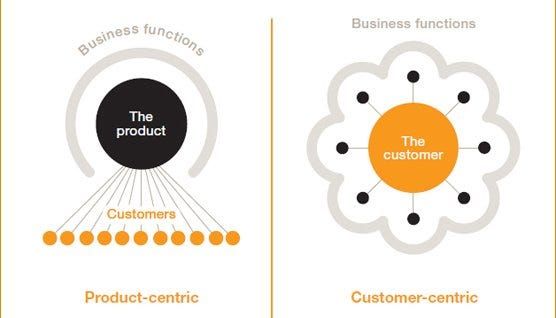
But in the midst of this incredible progress, we must not overlook the dawn of a new era – the Age of the Customer. A power shift occurred as customers started to voice their needs and desires, demanding personalized experiences and meaningful connections. Their stories, their struggles, and their aspirations became the driving force behind business strategies.
During this transformative period, businesses had to adapt to this new reality. It became essential to listen, understand, and empathize with customers on a deeper level. By embracing emerging technologies and leveraging data, companies were able to tailor their offerings to meet the unique needs of their customers. It’s like the business world evolved, heart and soul.

One exemplary company that embraced the shift towards the Age of the Customer is Netflix. As customers increasingly sought personalized and convenient entertainment options, Netflix recognized the importance of listening to and understanding their preferences. By leveraging data analytics and emerging technologies, Netflix revolutionized the way people consume media. Through personalized recommendations, curated content, and seamless user experiences, they established a deep connection with their customers, elevating the streaming industry to new heights.
Amazon is another prime example of a company that wholeheartedly embraced the customer-centric approach in the Age of the Customer. Understanding the evolving needs and desires of consumers, Amazon revolutionized the retail landscape by prioritizing convenience, selection, and personalized experiences. Through their seamless online platform, extensive product offerings, and innovative services like Amazon Prime, they established themselves as the go-to destination for millions of customers worldwide. By leveraging data analytics and advanced algorithms, Amazon provides tailored recommendations, anticipates customer preferences, and offers efficient delivery options. This unwavering commitment to customer satisfaction has not only propelled Amazon to become one of the largest e-commerce giants but has also reshaped the expectations of consumers in the digital age.
As we navigate this ever-changing landscape, we must remember that the product remains an important cornerstone for businesses aiming for success. Nevertheless, it is no longer enough on its own. Building genuine connections, empathizing with customer experiences, and staying ahead of their evolving needs have become paramount.
So, my dear reader, let us embark on this journey together that embraces the product’s power while fostering empathy and understanding. By doing so, we can forge stronger relationships, create a positive impact, and pave the way for a future where businesses and customers thrive hand in hand.
The Second Technology Revolution
In the vibrant landscape of the 21st century, a remarkable technological revolution has unfolded, profoundly impacting our lives and transforming the way we connect and interact with the world around us. As an innovation enthusiast and aficionado like yourself, I have had the privilege of witnessing the rapid growth and transformation that this digital era has brought upon us, particularly vivid during the sanitary crisis lockdowns.
As the years have progressed, what was once an elite realm of digital communication has evolved into an everyday experience, seamlessly integrating into our lives as a de facto standard. In this era of digital transformation, our enterprise value chains have been re-engineered, presenting us with a brand-new landscape where access to products and information is now effortlessly attainable. It’s truly incredible to think about how we can now browse through virtual storefronts, exploring and purchasing products from the comfort of our homes, without any boundaries or limitations.

But there’s more to this transformation than the convenience of online shopping and virtual experiences. Ownership itself has undergone a profound shift, transcending the mere possession of physical products. The rise of subscription models and as-a-service transactions has reshaped our perception, emphasizing the importance of accessing and utilizing services that cater to our individual needs. From streaming platforms offering vast libraries of entertainment on demand to software applications providing essential tools for work and productivity, our lives have become intrinsically intertwined with the concept of subscription-based consumption.

The transition towards service-based consumption aligns perfectly with the principles of the circular economy, aiming to maximize resource utilization while minimizing waste. Philips exemplifies this mindset brilliantly. With their groundbreaking lighting solutions, Philips has introduced circular business models like lighting-as-a-service, enabling customers to pay for lighting usage instead of owning physical appliances. Similarly, in their medical device business unit, Philips implemented a similar shift by offering the use of IRM Scanners instead of selling the scanners outright. This approach not only reduces environmental impact but also allows Philips to optimize product lifespan, encourage recycling, and foster a more sustainable circular economy. Moreover, this strategy has been embraced by shareholders, as it provides a more predictable revenue stream, enhancing business stability. Customers are delighted to limit CAPEX and focus on their core business. The employees’ engagement levels soar as they witness the tangible actions that reflect the eco-socio-responsible values emphasized by Philps’ CEO.
These changes in consumer behavior have given rise to a fascinating economic equation. In this new landscape, you, as the customer, have become the central figure, the heart of businesses’ endeavors. Companies now strive to understand your desires, anticipate your needs, and offer personalized experiences to stay ahead of the curve. Customer-centricity has become the guiding principle, and data analysis stands as the key to unlocking valuable insights into your preferences, patterns, and behaviors.
Drawing from my experiences as a marketing leader and chief product officer at reputable companies like Sage, Salesforce, and Oracle, I have had the privilege of driving and witnessing firsthand the impact of this shifting paradigm from transaction to subscription-based models. We, as professionals, have had to adapt our strategies, pivot our approaches, and fully embrace the digital revolution in order to thrive in this new era. It has indeed been an exhilarating time, filled with both challenges and opportunities, as we navigate the ever-evolving landscape of technology and the ever-increasing expectations of customers like yourself.
The Age of the Customer
In this new age where the customer is king, every enterprise must reorient its strategies and processes with a ‘customer-first’ approach. Functions like Customer Support must transform into Customer Success, where the goal is not just to resolve issues but to empower customers to achieve their desired outcomes. Sales presentations should give way to engaging dialogues, focused more on provoking thought and less on demonstrating product features. It’s not just about securing product ownership anymore; it’s about ensuring product adoption, delivering desirable outcomes, and addressing deep-rooted customer needs.
To thrive in the modern business landscape, companies must foster strong relationships that go beyond transactional interactions. Building customer loyalty and trust is paramount. By actively listening to customers’ feedback and proactively addressing their pain points, businesses can forge long-lasting partnerships. This requires a shift in mindset from short-term sales targets to long-term customer success.

Businesses must also leverage technology to enhance the customer experience. Artificial intelligence and automation can play a vital role in streamlining processes, personalizing interactions, and predicting customer needs. However, it is crucial to strike the right balance between automation and human touch. While automation can increase efficiency, human connection remains invaluable in fostering authentic relationships, engaging emotions (even in B2B), and providing empathetic support.
Moreover, in this customer-centric era, organizations must prioritize continuous improvement. By regularly reviewing and refining their products, services, and operations, companies can stay ahead of the curve and meet evolving customer expectations. Embracing a culture of innovation and embracing feedback is key to staying relevant and competitive in the market.
In summary, the success of any enterprise hinges on its ability to prioritize the customer’s needs, actively engage with them, and deliver exceptional experiences throughout their journey. Adapting to the customer-first paradigm requires a holistic approach, combining customer success principles, technology integration, and a commitment to continuous improvement. Only by putting the customer at the center of all business decisions can organizations thrive in this ever-changing landscape.
Reimagining Marketing and Sales
In the Age of the Customer, marketing takes on a new mantra. It’s no longer just about what we say, but more importantly, about what we hear from the customers. It is imperative that we transform our hearing into actionable steps, resulting in a transformation of how we are perceived and discussed by others — in other terms our real brand.
In the realm of sales, a shift is necessary from a mere acquisition-focused strategy to a customer-centric approach centered on satisfaction and loyalty. The remarkable achievements of Salesforce in refining the customer success paradigm and their tireless dedication to an as-a-service mission serve as compelling evidence for the efficacy of this innovative framework. This is one of the most important learnings I had when leading EMEA marketing there. As an example, we could not maintain an event, even long planned for, if we could not secure customers to speak in person. As a matter of fact, it was never difficult to get some of their key executives to go on stage, customers were fans!

Moreover, in this rapidly evolving business landscape, it is essential to recognize that customer expectations are constantly evolving. Simply meeting their needs is no longer sufficient; we must strive to exceed them. This requires a deep understanding of their pain points, preferences, and desires. By leveraging data-driven insights and adopting a proactive mindset, we can anticipate their needs and provide personalized experiences that foster long-term relationships. Successful companies have realized the power of this customer-centric approach and have reaped the rewards of increased customer satisfaction, brand loyalty, and ultimately, sustainable growth. Building upon the foundation laid by Salesforce, we too can embrace this transformative journey and unlock the full potential of our business.
Listening Through Design Thinking
In the Age of the Customer, traditional listening tactics simply won’t suffice. To gain a comprehensive understanding of our customers, we must embark on a more profound exploration. This is precisely where the principles of Design Thinking come into play.
Design Thinking, a human-centered innovation approach, urges us to fully immerse ourselves in the customer’s world with our five senses, meticulously observing their behaviors, attentively listening to their concerns, and engaging in empathy-driven interviews. It entails stepping into the customer’s shoes, experiencing their emotions, and perceiving the world through their eyes. By embracing this approach, we can unlock profound insights into their genuine needs and desires, enabling us to craft offerings that resonate on a profound, intimate level. This empathetic journey is a transformative endeavor that empowers us to create remarkable customer experiences and forge enduring connections.
Putting Design Thinking Into Action
Applying design thinking goes beyond a mere academic exercise; it is a practical approach that brings a transformative impact to our business. With passion and enthusiasm, I acquired this knowledge and obtained my IDEO certification, thereby unlocking a wide range of capabilities for the benefit of my clients today.

Let’s consider the exceptional case of PeopleSoft and its unparalleled understanding of HR professionals. I also did work at Peoplesoft and could witness their engagement with customers. They have perfected their solutions by going beyond traditional approaches and gaining a profound insight into the world of HR. Through immersive experiences, empathy interviews, and deep-rooted understanding, PeopleSoft has continuously refined its offerings, catering specifically to the unique needs and challenges faced by HR professionals. This customer-centric approach did set them apart as leaders in the industry for HR at first, driving innovation and empowering HR professionals to thrive in the ever-evolving landscape, and later expanding into Finance professionals. A strategy replicated by the same founders with Workday today, an HR leader on the cloud.
In a Design Thinking approach, there are several phases that guide the process of creating innovative solutions.
- First, there is the empathize phase, where we deeply understand the needs, desires, and challenges of the users or customers. This involves conducting research, interviews, and observations to gain insights and develop empathy for their experiences.
- Next is the define phase, where we analyze the gathered information and distill it into actionable problem statements. This helps us to clearly define the problem we are solving. We should come up with a question starting with “How might we …” used for brainstorming the solution: ideating.
- Once the problem is defined, we move into the ideate phase, where we generate a wide range of ideas and potential solutions. This phase encourages creativity and open-mindedness, where all ideas are considered without judgment.
- Following ideation, we enter the prototype phase, where we build low-fidelity representations of our ideas. From the multitude of ideas created in the previous phase, we’ll use a triple-lens – Desirability, Feasibility, and Viability – to focus on one option we want to prototype. Prototypes can take various forms, from sketches to physical models or digital mock-ups, allowing us to quickly test and iterate on our concepts.
- The final phase is the test phase, where we gather feedback from users and stakeholders on the prototypes. This feedback helps us to refine and improve our solutions based on real-world insights. The design thinking process is iterative, meaning that we continuously cycle through these phases, learning, and refining as we progress.

If you are interested in learning more about Design Thinking or how it can benefit your business, I encourage you to engage with me. Together, we can explore how this approach can drive innovation, enhance customer experiences, and unlock new opportunities. Let’s embark on a journey of transformative thinking and create a meaningful impact in your organization.
Reflection and Embracing the Future
The dawn of this new age has positioned you, the customer, as the monarch of the marketplace. Every enterprise must pivot its strategies and processes to a ‘customer-first’ mindset. Traditional functions such as Customer Support must metamorphose into Customer Success, where the objective extends beyond issue resolution to empowering customers to reach their desired outcomes. Sales presentations need to transform into engaging dialogues, provoking thought rather than simply showcasing product features. It’s not just about ensuring product ownership anymore; it’s about driving product adoption, delivering desirable outcomes, and addressing core customer needs.
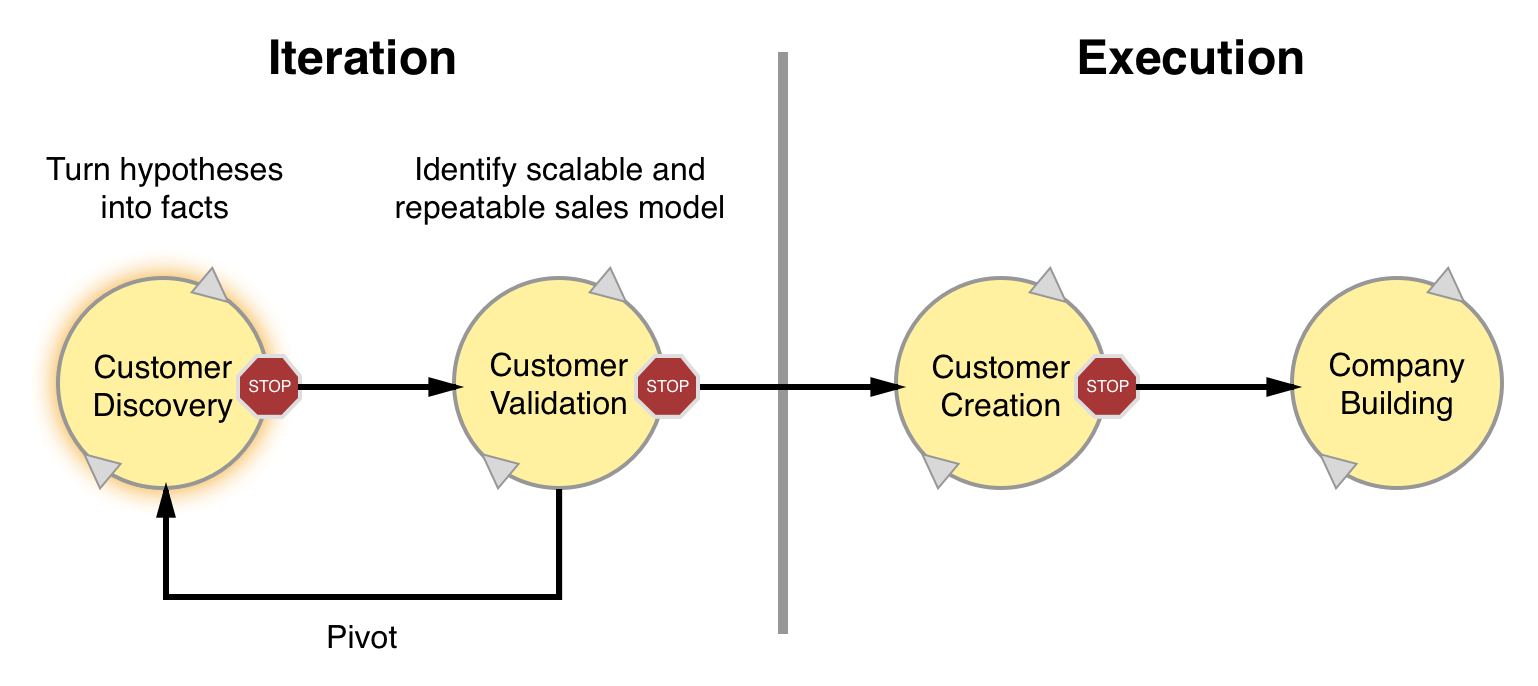
For companies to thrive in the contemporary business landscape, fostering strong, beyond-transactional relationships is key. By actively listening to customer feedback and proactively addressing their concerns, businesses can solidify long-term partnerships. This necessitates a mindset shift from short-term sales targets to long-term customer success.
In addition, technology should augment the customer experience. Artificial intelligence and automation can streamline processes, personalize interactions, and anticipate customer needs. However, striking the right balance between automation and the human touch is vital. While automation may heighten efficiency, human connection remains priceless in nurturing genuine relationships, triggering emotions even in B2B, and offering empathetic support.
Finally, in this customer-centric era, organizations must pledge to continuous improvement. Regularly reviewing and refining their products, services, and operations allows them to stay ahead of the curve and meet changing customer expectations. Embracing a culture of innovation and welcoming feedback are keys to maintaining relevance and competitiveness.
Echoes of the Customer Voice
As we navigate the swell of messages and ride the wave of transformative innovation, one thing is clear: the paradigms of the past will not construct our future. The Age of the Customer demands our undivided attention. The customer is the lifeblood of our business. The time is now to not just tune in, but to amplify the voice that matters most – the voice of the customer.

 Emmanuel Obadia & Partners | Transform & Innovate
One thought on “Eclipsing Product-Centricity: Your Guide to Thriving in the Age of the Customer”