

Half of organizations are unprepared for future shocks, emphasizing the need for resilience and quick recovery. In the ever-evolving landscape of global business, integrating technological advancements and digital elements effectively is paramount for gaining a competitive edge. The key lies in building institutional capabilities, along with nurturing top talent, promoting diversity, equity, and inclusion, addressing mental health challenges systematically, and improving efficiency. Let’s delve into these aspects further.
In a world constantly disrupted by rapid technology advancements and evolving business models, maintaining a competitive edge is more challenging than ever. McKinsey’s recent ‘State of Organizations’ report provides valuable insights into the evolving corporate landscape and the pivotal shifts affecting businesses globally. The comprehensive study unveils strategies adopted by successful organizations, future preparedness, and the barriers hampering organizational transformation.
Key Shifts Affecting Organizations
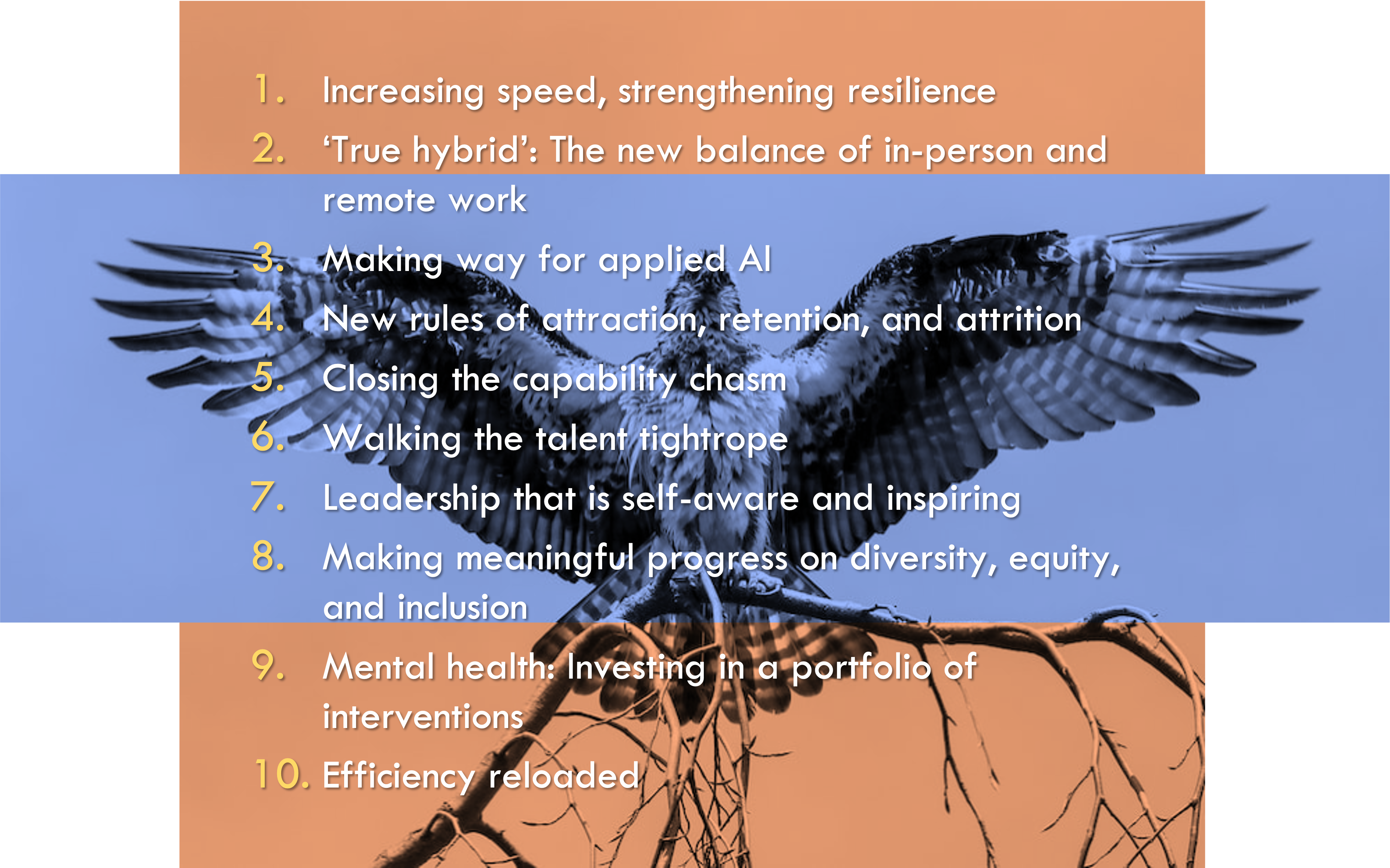
The report outlines ten major transformations affecting organizations. Successful organizations navigate operating models and use agility to rebound stronger from crises, attracting top talent. Prominent among these is a drive for increased speed and resilience, which have emerged as essential survival skills in the dynamic business environment. Despite agility being acknowledged as a vital factor, a startlingly small fraction (only 14%) of leaders reported having adopted agile operating models.
Fostering a Beacon Organization
“Beacon organizations” like Mars, PsiQuantum, LEGO, and Decathlon have successfully navigated these shifts. These organizations exemplify how resilience can be built and growth can be achieved amidst these ongoing transformations. For instance, these organizations demonstrate how to effectively build capabilities in digital, advanced analytics, and AI – skills critical for securing a competitive edge in today’s digitized business landscape.

Barriers to Resilience
However, many organizations face hurdles in building resilience. Notably, lack of funds, unclear priorities, and organizational silos often impede progress. Overcoming these obstacles requires an increased focus on clear strategic goals and an organizational culture that promotes cross-functional collaboration.
Leadership and Development

Leaders need to cultivate self-awareness, the ability to lead peers and teams, and coordination skills to inspire networks of teams. They should also prioritize training and foster a culture of continuous learning. Progress in diversity, equity, and inclusion initiatives should be meaningful and extend to both organizations and broader society.
A critical finding from the report is the crucial role of leadership culture and development in driving employee engagement and organizational success. Leaders need to prioritize training and foster a culture of continuous learning.
Building institutional capabilities is crucial for integrating technological and digital elements effectively and gaining a competitive advantage.
Talent Management and Acquisition

Matching top talent to high-value roles is important in uncertain economic climates to fill critical positions appropriately. Tailoring employee value propositions to individual preferences can help attract and retain talent in response to changing attitudes toward work. Scouting for talent outside the organization and upskilling existing employees is vital to keep pace with rapid industry evolution.
Mental health challenges require systematic approaches and interventions, beyond one-off solutions, to improve global well-being scores. Efficiency is a top priority, requiring effective deployment of resources to maximize impact, rather than simply managing crises or reducing resources.
Applied AI

The application of Artificial Intelligence (AI) is transforming businesses. AI not only automates processes but also aids in strategic decision-making, thus requiring talent adept in handling AI and a focus on improving structural and process efficiencies. AI offers opportunities to improve operations, talent pipelines, ways of working, and structural changes in organizations.
The Era of Hybrid Work
In the realm of work culture, the report underscores the importance of true hybrid work setups. Hybrid work models have been embraced by about 90% of organizations since the COVID-19 pandemic, requiring structure and support for in-person and remote activities. A mix of in-person and remote work is more appealing to the current talent pool and helps in attraction and retention. However, for a successful hybrid model, a robust infrastructure and an output-based measurement approach are indispensable.
Conclusion

While the future of organizations might seem challenging, it is abounding with opportunities. The evolving landscape is a wake-up call for businesses to reassess their strategies, embrace agility, and prioritize continuous learning. Emphasis should be on fostering a resilient culture to navigate this turbulence. The extensive use of AI and flexible work models can be game-changers, significantly contributing to the long-term success of organizations. Are you ready to adapt and thrive?

 Emmanuel Obadia & Partners | Transform & Innovate